

Eleven creative Wire-O notebook ideas to make and sell
If you’re the kind of creator who always keeps a notebook close, a Wire-O format might be your new favorite way to work. The sturdy double-loop binding lets pages lie flat or fold back completely, making it easy to jot down notes, sketch layouts, or organize ideas wherever you are. It’s a flexible, low-pressure way to bring your creative projects to life, whether you’re designing for yourself, your clients, or your customers.
More and more artists, designers, and companies are using notebooks as personal creative tools and giftable or sellable products. A beautifully made notebook can showcase your visual style, reinforce your brand, or serve as an entry point into selling your own printed work.
In this post, we’ll share Wire-O notebook ideas you can design, publish, and sell—from guided journals and planners to branded client gifts and leave-behinds. We hope each one sparks ideas for your next project, whether you’re creating for joy, for business, or a bit of both.
What is a Wire-O notebook?
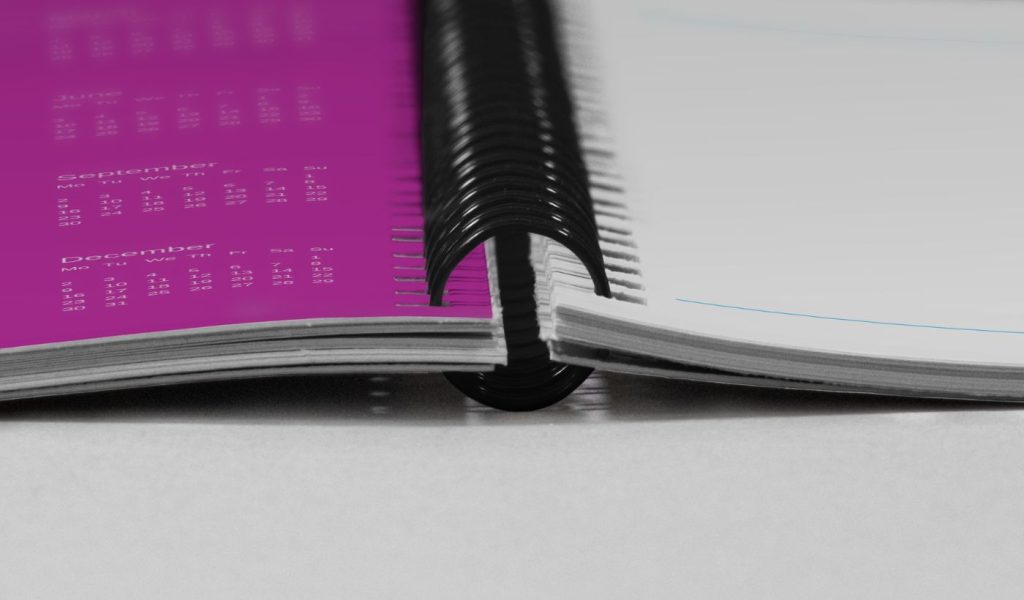
A Wire-O notebook uses a double-loop metal binding that allows the pages to turn smoothly and lie completely flat. It’s the kind of format creators rely on because it’s sturdy, flexible, and easy to work with. You can fold it back, sketch across both pages, or keep it open on your desk without the spine snapping shut.
It’s easy to mix up Wire-O notebooks with spiral or coil styles, but they’re made differently. Spiral notebooks use one long wire that loops through the pages, while Wire-O notebooks use two even loops that stay aligned for smoother page turns and a cleaner look. They also differ from perfect-bound notebooks, which are glued along a flat spine and don’t lie totally flat or fold back.
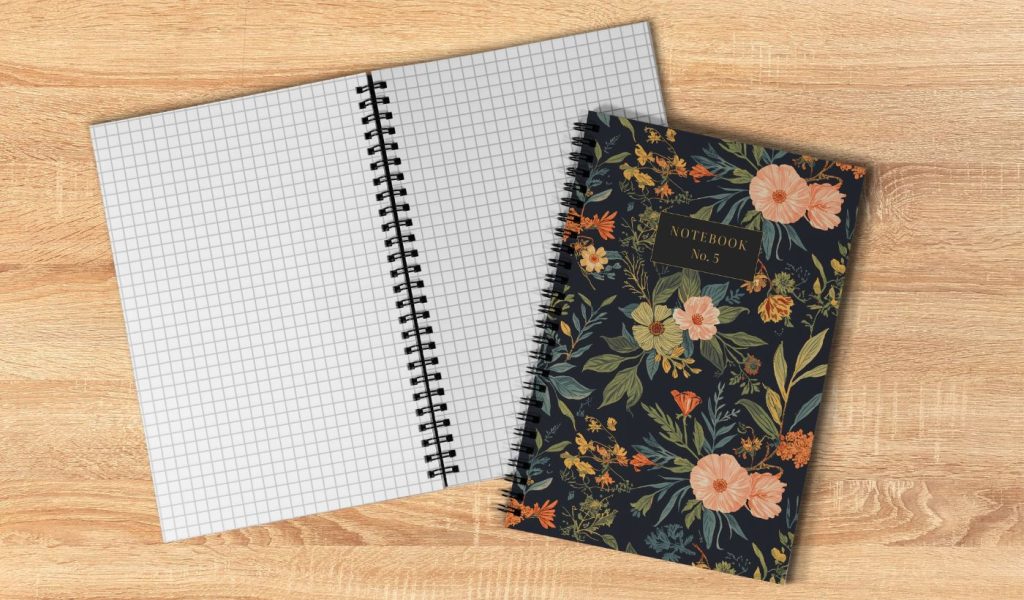
This format is designed for everyday use, perfect for journaling, sketching, planning, or note-taking. You can fill it with lined, dotted, grid, or blank pages, depending on how you like to work. Some creators even mix layouts to combine writing, drawing, and organizing in a single project.
If you’re curious about how the format works or want to start a project, check out our Wire-O notebooks. You’ll find customization options, paper types, and sizes to match your creative style. And you can design and print Wire-O notebooks online using professional tools or templates, so it’s simple to turn your ideas into a finished notebook.
Benefits of a Wire-O notebook
A Wire-O notebook bridges creativity and commerce. It’s approachable for first-time makers and powerful enough for experienced creators who want to expand their product line. Here’s why it stands out.
For personal use
- Lies completely flat: write, sketch, or plan comfortably across both pages.
- Easy to handle: folds back on itself for use in small spaces.
- Built to last: the double-loop metal binding keeps pages secure and aligned.
- Lightweight and portable: simple to carry to shoots, studios, or meetings.
- Beautiful to use: feels polished and considered, even for everyday notes.
For selling
- Low production cost: affordable to create, making it a smart product or leave-behind to test.
- High perceived value: looks and feels premium while staying accessible in price.
- Full creative control: customize the cover, paper, and layout to reflect your brand.
- Perfect for small-batch sales: ideal for boutique collections, client gifts, or online shops.
- Built for ongoing releases: create one, a few, or an entire series—whatever fits your creative plan.
11 creative Wire-O notebook ideas
Now that you know the what and the why, let’s get into the concepts.
1. Daily gratitude journal
A gratitude journal is a simple project that makes a big impact. It encourages reflection and helps people stay grounded—something many of us are looking for these days. Whether you’re making one for yourself or others, a well-designed layout turns mindfulness into a daily habit worth keeping.
How to make it:
- Start with short guided prompts like Today I’m grateful for… or One thing I learned today… to spark reflection.
- Mix lined and blank pages for writing or sketching flexibility.
- Include a small date area at the top of each page for easy tracking.
- Use calm, readable typography with generous spacing to create an uncluttered feel.
- Add design accents like suns, musical notes, or even your logo to keep it feeling on-theme.
- Insert a monthly reflection spread or quote page every 30 entries to encourage motivation.
2. Personal productivity planner
A personal productivity planner is one of the most versatile notebooks to make. It has broad appeal, works across audiences, and offers endless design possibilities. Whether minimalist or colorful, the right format can turn a daily habit into a creative ritual. They’re also evergreen, low-content projects that can be easily refreshed for new seasons or design themes.
How to make it:
- Use a weekly or daily layout with time slots on one page and tasks or priorities on the other.
- Add simple productivity tools like a Top 3 Priorities box, daily habit tracker, or notes section.
- Design modular grids or columns for clean, consistent layouts that make each page feel purposeful.
- Use light color accents or icons to highlight key areas without cluttering the design.
- Include periodic goal-setting spreads, either monthly or quarterly, to track milestones and maintain momentum.
Dive deeper into the art of personalized productivity and learn how to create your own bullet journal with our step-by-step guide.
3. Recipe keeper
A recipe keeper is both personal and shareable. It captures the dishes that define a family, a season, or a creative streak in the kitchen. The format is simple, functional, and endlessly customizable—ideal for everyday cooking, gifts, or small-batch sales.
How to make it:
- Start with a recipe entry template that repeats throughout the notebook. Include space for the recipe name, serving size, and prep or cook time.
- Design a two-column format with ingredients on one side and directions on the other for clarity.
- Add a notes area for adjustments, substitutions, or personal memories tied to the dish.
- Use color coding or section markers to organize recipes by category (like mains, sides, or desserts) for easy navigation.
- Include a few flexible pages for users to paste in photos, clipped recipes, or handwritten cards.
- Add bonus spreads like conversion charts or meal planners to make the notebook more practical for everyday cooking.
4. Branded company notebook
A branded notebook works best when it doesn’t look like a promo item. The goal is to design something people actually want to use—clean, functional, and beautiful enough to keep on a desk. It can double as a client gift, onboarding piece, event giveaway, or part of a larger product line. Done well, it’s a product that fits anywhere: a store shelf, a welcome kit, or a conference table.
How to make it:
- Design an opening spread with a logo, tagline, and short brand story or mission message.
- Keep the interior adaptable and straightforward, using lined or dotted pages that work across roles or purposes.
- Add understated brand details like color accents, custom patterns, or a small logo at the back.
- Include a closing page with contact details, QR codes, or social links for continued connection.
- Add functional extras like meeting notes, to-do lists, or project planning pages to make it genuinely helpful.
Discover how businesses are using printed books to grow their brand and strengthen client relationships: seven book ideas that build brand loyalty.
5. Wedding planner
A wedding planner notebook captures both the planning and the story behind it. It brings order to the chaos of to-do lists, while preserving the excitement and personal touches that make each celebration unique. Designed well, it becomes both a trusted guide and a lasting memento—perfect for personal use or as a timeless product to sell.
How to make it:
- Start with a planning overview that outlines key milestones, like booking the venue, sending invites, and confirming vendors.
- Add task checklists with due dates, responsibilities, and check boxes to keep planning on track.
- Include budgeting pages with tables for expenses, deposits, and balances.
- Design vendor contact pages for quick access to names, numbers, and notes.
- Add blank or dotted pages for sketches, vision boards, and layout ideas.
- Use elegant typography and soft neutral colors to create a timeless, polished look.
- Finish with a day-of checklist that can be handed off to the wedding party.
6. Fitness and wellness tracker
A fitness and wellness tracker helps organize daily health habits and progress in one place. It blends structure and reflection—ideal for tracking movement, nutrition, sleep, and even mindset over time. It’s also fairly simple to make, rewarding to use, and easy to sell to anyone focused on health and balance.
How to make it:
- Use a daily log format with fields for the date, workout type, duration, and notes.
Add tracking boxes for hydration, mood, meals, and hours of sleep. - Include weekly reflection pages where users can record highlights, challenges, or progress summaries.
Design clean tables and icons for quick data entry that still look visually appealing. - Sprinkle in motivational quotes or affirmations throughout the notebook for inspiration.
- Offer optional sections for goal setting, measurements, or milestone rewards.
7. Travel journal
A travel journal captures experiences, reflections, and discoveries along the way. It’s one of the most personal and creative notebook types to make—perfect for recording memories, sketching on the go, or building a product that connects with travelers and storytellers alike.
How to make it:
- Mix page types with lined, dotted, and blank spreads to support both writing and sketching.
- Add light journaling prompts such as Where I went, Who I met, Today’s highlight, and What I learned.
- Include photo spaces or framed boxes for pasting printed images, postcards, or ticket stubs.
- Design simple section dividers for each destination or trip to make navigation easy.
- Add illustrated elements like small maps, icons, or patterns that evoke a sense of place.
- Include packing checklists and trip budgets near the front for practical planning.
Check out the Little Travel Memories Co’s travel journal for fun content ideas, including puzzles, games, drawing projects, and more!
8. Garden planner
A garden planner notebook brings structure to the growing season. It helps track planting schedules, harvest timelines, and seasonal notes while leaving room for creativity and reflection. The format works beautifully for personal gardening projects or as a thoughtful product to sell to nature lovers and home growers.
How to make it:
- Create structured tables for plant names, sowing dates, sunlight needs, and care notes.
- Add daily or weekly observation pages to record growth, weather patterns, and seasonal changes.
- Include dotted or grid pages for sketching garden layouts, mapping beds, or visualizing rotation plans.
- Use an earthy color palette with botanical line drawings or subtle watercolor textures.
- Include reference spreads for growing zones, seed-starting calendars, or companion-planting charts.
For more ideas and inspiration, check out our guide to designing a garden journal.
9. Kid’s activity book
A kid’s activity book combines learning, creativity, and play in one bright package—perfect for parents and educators. It can focus on specific themes like travel, nature, or storytelling, and works exceptionally well as a custom educational product or brand collaboration.
How to make it:
- Choose an engaging theme like animals, seasons, or local landmarks to give the book focus.
- Alternate between activity types like coloring pages, mazes, connect-the-dots, word searches, and spot-the-difference puzzles.
- Keep language and visuals straightforward and positive, with clear instructions and friendly illustrations.
- Use bright colors and simple typography to keep it fun and easy to read.
- Add creative prompts that invite kids to draw, write stories, or reflect on their experiences.
- Consider adding a section for parents or teachers with tips on using the book.
Looking for some inspiration? We love Jessie Olsen Moore’s Unicorn Coloring Book for its playful theme and magical illustrations.
10. Budget or savings tracker
Money management is a universal need, and visual tools help people stick with it. A thoughtfully designed tracker feels approachable and empowering, especially when it’s easy to follow and fill in. A clear layout and consistent design can turn routine budgeting into a rewarding, sustainable habit.
How to make it:
- Start with clear categories for income, expenses, and savings goals.
- Use monthly or weekly spreads to make tracking feel achievable.
- Design consistent tables with spaces for notes and reflections.
- Add visual motivators like progress bars, icons, or milestone checklists.
- Include resource pages with budgeting tips, common expenses, or debt payoff templates.
- Keep the tone friendly and encouraging to make financial planning feel approachable.
11. Dream journal
A dream journal captures ideas, symbols, and stories from the subconscious. It’s both reflective and creative—a quiet space for recording nightly impressions or exploring inspiration that surfaces through dreams. Designed well, it feels calming and intentional, encouraging moments of focus before the day begins.
How to make it:
- Include a repeatable page layout with space for the date, time, and mood upon waking.
- Add lined sections for writing detailed dream notes and blank areas for sketches or visual interpretations.
- Use soft, muted colors and celestial motifs like stars, moons, and gradients to create a soothing atmosphere.
- Add a short reference section with information about common symbols or themes in dreams.
Get inspired by Aimee Hodgins’ Cosmic Dream Journal, which encourages readers to consider the phases of the moon as a powerful element in their dream journaling practice.
How to design, print, and sell your Wire-O notebook
Once you have an idea you love, it’s time to bring it to life. Here’s a quick primer on everything you need to design, proof, and print your Wire-O notebook—whether you’re creating one for yourself or producing a small collection to sell.
- Pick a design tool. Choose a platform that fits your process. Browser-based editors (like BookWright Online) are great for simple layouts, while downloadable tools (like BookWright by Blurb or Adobe InDesign) offer complete control over typography and design. You can also use a program you already know (like Canva or Affinity) and upload a finished, print-ready PDF.
- Choose a format and materials. If you’re using Blurb, choose a size (5×8, 6×9, or 8×10 inches) and page style (lined, dotted, grid, or blank). The Standard Color paper option won’t let pen marks show through and works well for writing or sketching.
- Design the interior. Use templates to keep layouts consistent and functional. Add subtle color bars, icons, or dividers to organize sections. Leave generous margins for writing or drawing, and make sure everything feels clean and intentional.
- Design the cover. Let the cover express purpose and personality. Simple typography and neutral tones feel polished, while bold patterns or illustrations bring energy. A short title can help clarify the notebook’s focus at a glance.
- Proof and print. Upload your design, use the preview to check margins and page flow, then order a single proof copy to see how it looks and feels before printing more.
- Sell or share your notebooks. Print one copy or a small batch. List in an online store—the Blurb Bookstore has no listing fees—or sell locally through markets, boutiques, or events. You can also bundle notebooks into a larger creative collection.
To dive deeper into creating, pricing, and promoting your notebooks, explore:
- How to make a notebook to sell
- How to make a custom notebook or journal
- Creative notebook and journal ideas
Ready to publish!
Wire-O notebooks aren’t just another product—they’re a place to start. Each one gives you the freedom to experiment, refine your design, and share something that’s both useful and beautiful. From the first idea to the finished print, you’re building more than pages—you’re building creative confidence.
Whether you’re designing for personal use or building a collection to sell, this format gives you professional polish while still allowing you to experiment. It’s a practical, versatile way to bring your ideas off the screen and into people’s hands.
***
Blurb helps creators make that leap from concept to print. With professional-quality tools, flexible printing options, and global reach, it’s a self-publishing platform built for experimentation and growth. Start with a single notebook—or your next big idea.